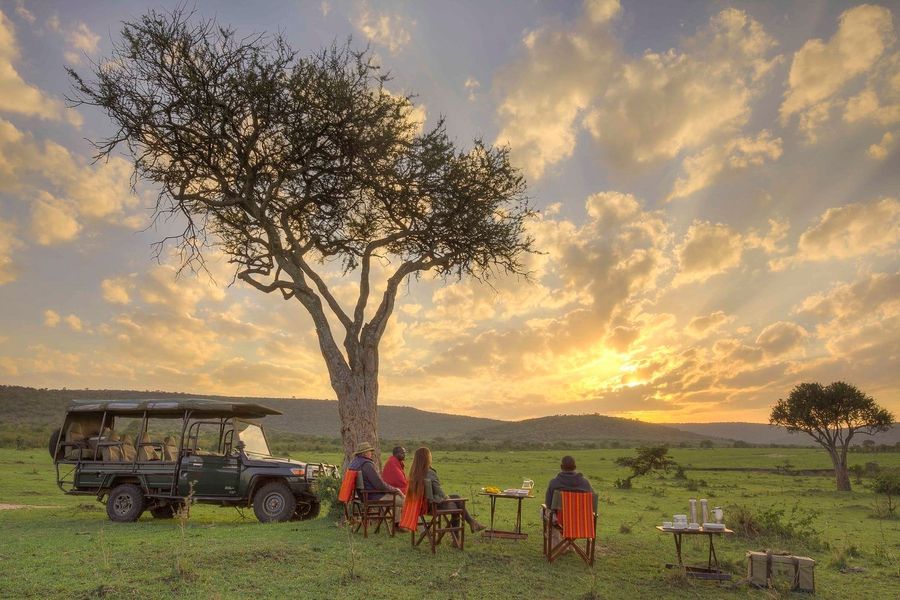
Everyone knows the Masai Mara. It’s on every bucket list, every wildlife documentary, every ‘top safari destinations’ article ever written. And rightly so, it’s one of the greatest wildlife arenas on earth. But after decades of bringing families here, I can tell you the Mara most visitors experience is only a fraction of what’s actually out there.
There’s another Mara. Quieter, wilder, and for those who know where to look, every bit as spectacular as the postcard version. Here’s where we go when we want the real thing.
Start by leaving the reserve
The Masai Mara National Reserve gets the fame, but the private conservancies that surround it – Mara North, Naboisho, Ol Kinyei, Olare Motorogi, Siana, Oloisukut – are where the Mara actually feels like a discovery again. Each conservancy caps its vehicle numbers by contract with the local Maasai landowners, which means space, quiet, and sightings you don’t have to share with fifteen other vehicles.
The escarpment almost no one visits
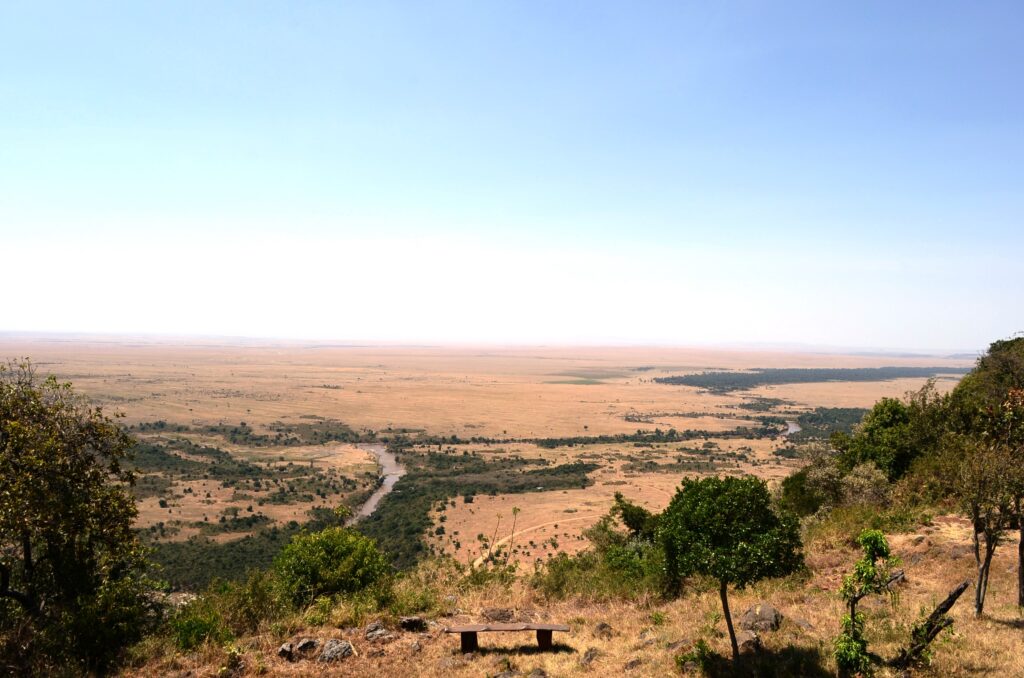
Along the western edge of the Mara Triangle, the Oloololo (Siria) Escarpment rises dramatically out of the plains and almost nobody stops there. The views across the entire ecosystem are extraordinary, the forest fringe holds elephant and buffalo you won’t see on the valley floor, and a sundowner up there, with the whole Mara laid out below you, is one of the great underrated moments of a Kenyan safari.
Walking with someone who’s walked here their whole life
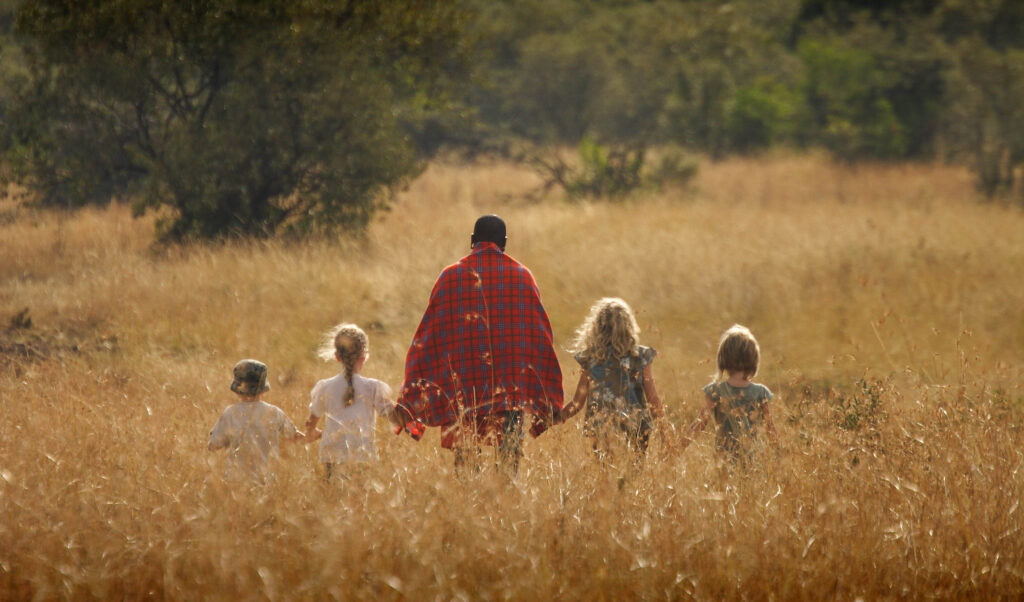
Walking safaris aren’t permitted inside the main reserve, but in the conservancies, a guided walk with a Maasai guide is one of the most rewarding things you can do. You slow right down. You learn to read spoor, identify a dozen different droppings, find the plant that treats a stomach ache and the tree that makes the best toothbrush. It’s a completely different way of understanding the bush – on foot, at walking pace, led by someone who has known this land since childhood.
Night belongs to a different Mara
Night drives, also conservancy-only, reveal an entirely different cast of characters. Genets, bushbabies, aardvarks, civets, spring hares, and leopards beginning their most active hours, species that are next to impossible to see on a standard daytime game drive. If you’ve only ever done the Mara by day, you’ve only met half of it.
A village visit that isn’t a performance
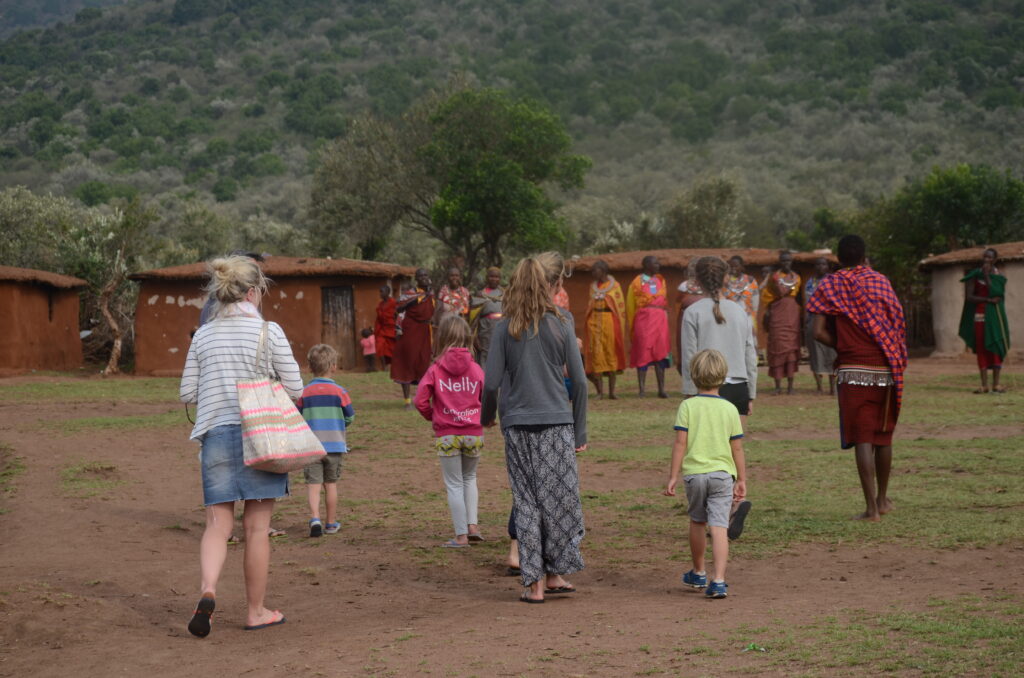
Arranged properly and in advance, a visit to a Maasai homestead in the conservancies is nothing like the staged cultural stops you might be picturing. It’s a real conversation, in someone’s actual home, about actual life and a chance to understand the conservancy model itself, which is arguably the Mara’s best-kept secret: landowners are paid to keep their land wild rather than fence and farm it, which is precisely why the wildlife you came to see still has anywhere to go.
Our favourite quiet corners
If you’re asking where to actually stay, these are the camps we come back to when we want the Mara without the crowds:
- Entumoto Toto – lovely, and kind to the budget.
- Entumoto – a little more glamorous, same wonderful setting.
- Enkopiro – wild, jungle-like, and deeply cultural.
- Enkewa – properly special, and properly hidden.
- Offbeat Mara – a real, no-frills camp with an amazing team and no crowds.
- Cottars 1920s – not a budget option, but incredible.
Go when everyone else doesn’t
The single easiest way to have the Mara to yourself is to visit outside migration season. From January through June, the resident wildlife – lion, leopard, cheetah, elephant, and some of the finest cat sightings you’ll get anywhere in Africa – is exceptional, the camps are quieter, and the rates are noticeably kinder. The migration gets the headlines. The rest of the year is where the Mara quietly proves it doesn’t need it.
Discover the Mara’s quiet corners thesafaricoltd.com