

Every single client asks us some version of the same question before they travel: what do I actually need to pack? Here’s the honest, no-nonsense answer, built from years of watching what people wish they’d brought and what they wish they hadn’t.
Colour matters more than you’d think
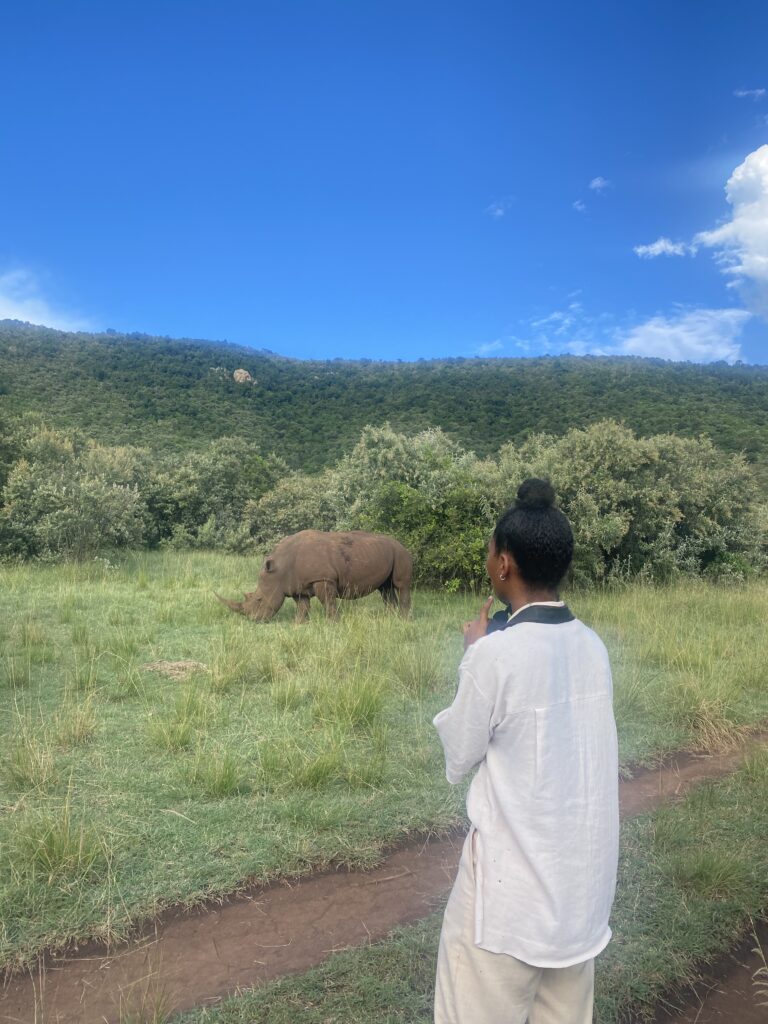
Stick to neutral earth tones – khaki, olive, sand, stone. Bright white shows every speck of dust and can spook wildlife. Dark colours, especially black and navy, attract tsetse flies in some areas, which is a lesson best learned in theory rather than in person. And one genuinely important note: camouflage-patterned clothing is reserved for Kenya’s security forces and is illegal for civilians to wear here – leave it at home entirely.
Layers, always layers
Early morning game drives, especially in Laikipia and the Mara highlands, can be genuinely cold, think woolly hat and gloves cold. By mid-morning you’ll be peeling layers off in the heat. A warm fleece or jacket, a couple of light long-sleeved layers for sun and insect protection, and a hat that won’t blow off in an open vehicle will cover almost every scenario.
Footwear
Comfortable, already-broken-in closed shoes for walking safaris and bush walks, and something easy like sandals or flip-flops for camp downtime. This is not the trip to debut a brand new pair of boots.
Sun and bugs
High-SPF sunscreen, good sunglasses, and a wide-brimmed hat are non-negotiable at the equator and altitude combined. Add a reliable insect repellent, and lean on those long sleeves at dawn and dusk, when mosquitoes are most active.
Optics and cameras
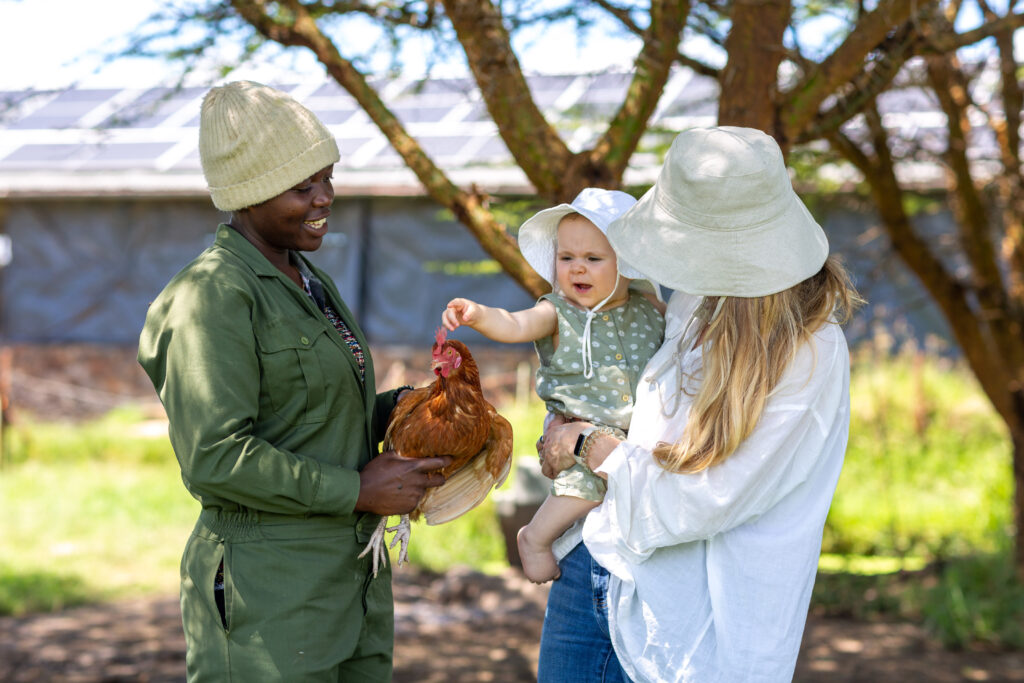
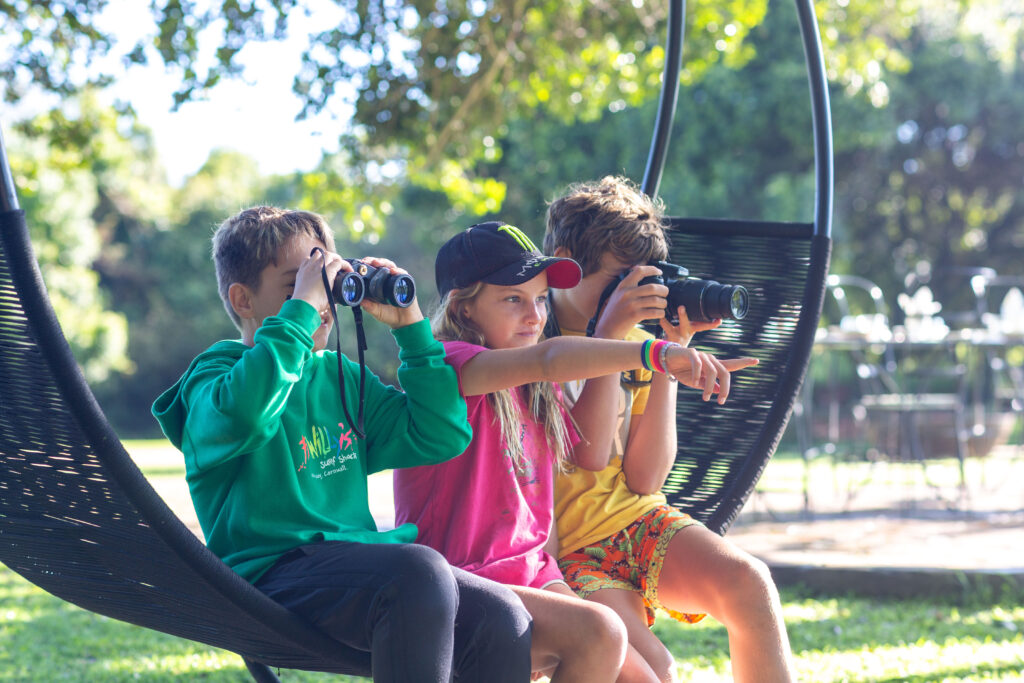
A decent pair of binoculars per person, not shared, will change your entire safari – don’t skimp on this one. If you’re serious about photography, bring your longest lens, spare batteries, extra memory cards, and something dust-proof to keep it all in. Charging is usually available but can run on solar or generator hours at smaller camps, so plan accordingly and don’t leave everything until the last night.
The paperwork and the pills
Check your passport has at least six months’ validity remaining, sort your anti-malarials with your doctor well before you travel, pack any personal medication in hand luggage, and confirm your travel insurance covers activities like walking safaris. If you’re arriving from or transiting certain countries, you may need a yellow fever certificate – check well in advance, not at the airport.
The luggage rule that catches people out
If any part of your safari involves a light aircraft transfer, luggage is typically capped at around 15kg per person, in soft-sided bags only, rigid suitcases simply don’t fit in the hold. Pack lighter than you think you need to. Most camps offer complimentary laundry, so you genuinely don’t need seven days of clean clothes for a seven-day trip.
For the kids
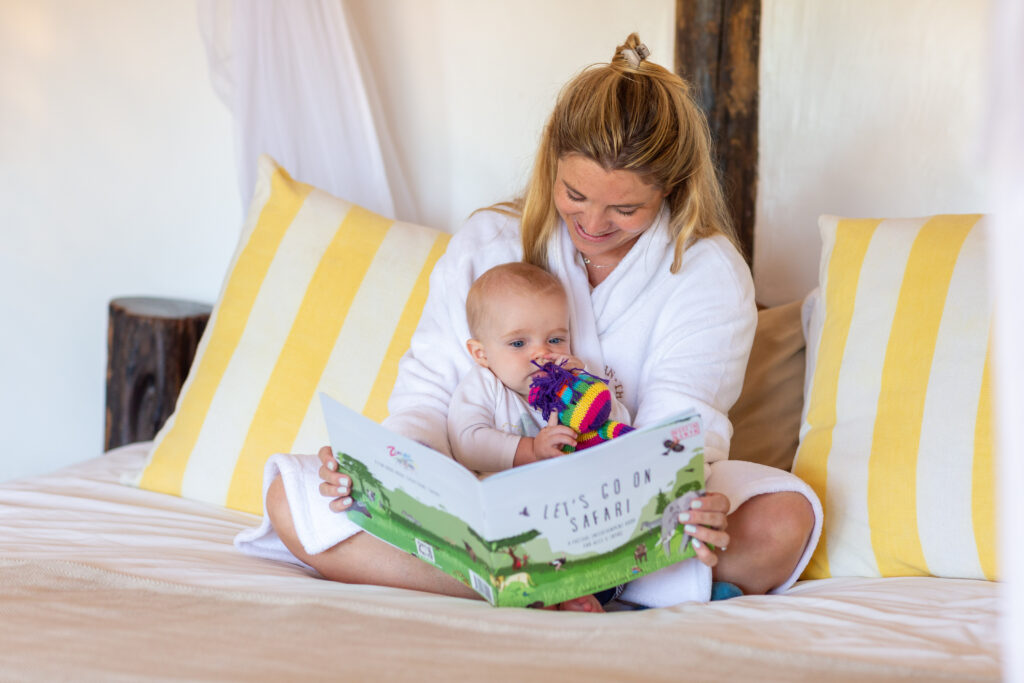
Snacks, a favourite small toy, something to draw with, and binoculars sized for little hands go a long way on longer transfers. And, unsurprisingly, we always suggest packing the Let’s Go on Safari book – it keeps them entertained on the drive and gets them genuinely excited about what they’re about to see.
Forget something? Don’t panic. Almost everything on this list can be bought or borrowed once you’re here. The only thing you really can’t replace is the time – so pack light, and get on the plane.
Ready to start planning? thesafaricoltd.com →
And before you go – the Let’s Go On Safari book from Zizibow (KSh 1,450) is worth packing in the carry-on for the transfer alone.


