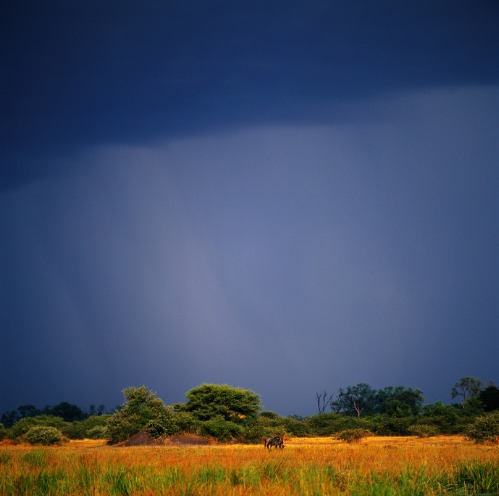
Fewer crowds, lower prices, lush landscapes and baby animals. Making a genuine case for Kenya’s best-kept seasonal secret.
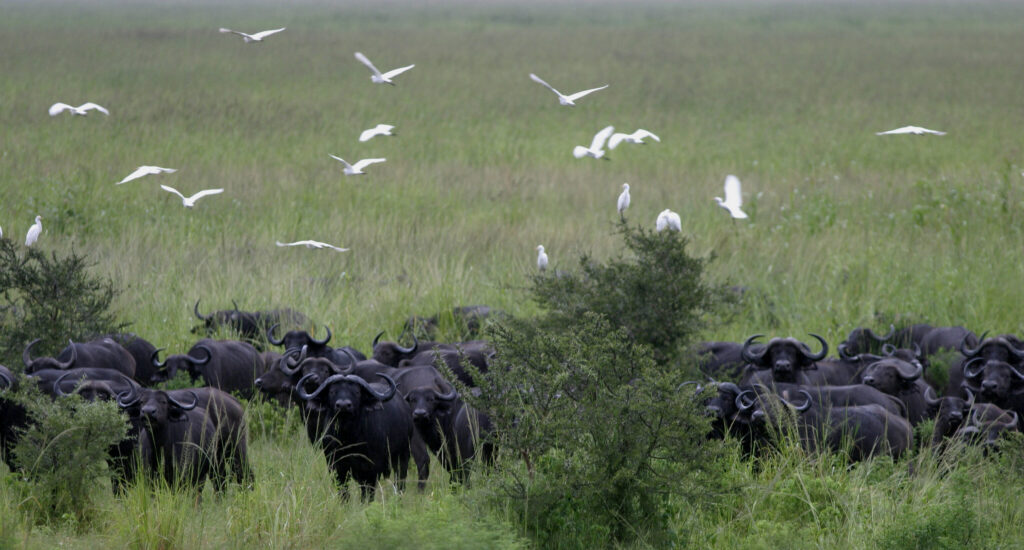
Everyone tells you to go in July and August. Fewer people tell you what you’re missing by not going in October and November. The short rains turn Kenya’s landscapes an almost implausible shade of green. The crowds thin. The prices drop.
What the ‘short rains’ actually mean (it’s not what you think)
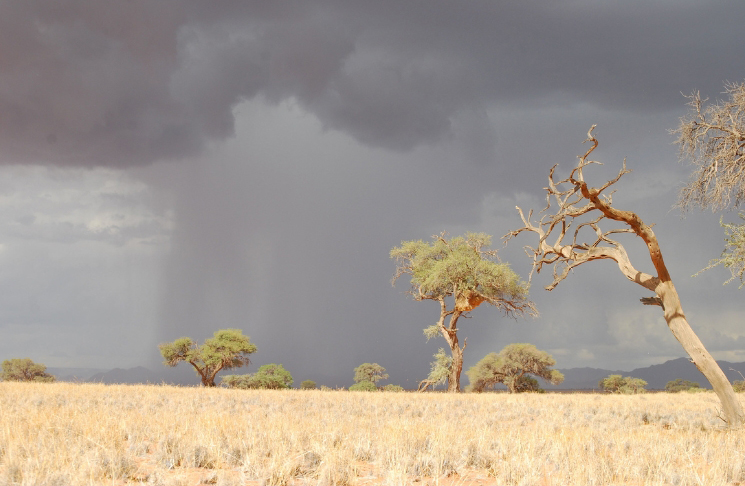
Forget the mental image of days lost to grey drizzle. The short rains typically arrive from late October through November, usually as short, sharp afternoon showers rather than all-day soakers. Mornings – when you’re out on your game drive – are very often clear. By the time the rain does arrive, you’re back at camp, showered and ordering tea, watching the storm roll across the plains from somewhere dry.
Roads can get soft in places, and a handful of low-lying camps do close for a few weeks around the wettest stretch, but the vast majority of Kenya’s safari country stays completely open and completely driveable through this period. It’s simply a lighter, more unpredictable version of rain than the long rains bring in March to May.
Why baby animals are born in the green season
Rain means grass, and grass means milk. A lot of Kenya’s resident wildlife – impala, gazelle, warthog, zebra among them – times its births to land around the rains, when grazing is at its richest and a nursing mother doesn’t have to work as hard to feed herself. That means October and November bring a genuine uptick in wobbly-legged newborns across the conservancies, and with them, predators who suddenly have a lot more to be interested in. It’s a completely different rhythm to the migration months, but every bit as alive.
Green season packages – what to actually expect
Most camps drop their rates meaningfully for this period – it’s genuinely one of the best-value windows of the year to book somewhere you’d otherwise consider a splurge. A number also run proper green season specials: extra complimentary nights, upgraded rooms at no cost, or included activities that you’d pay extra for in August. Rates and offers shift year to year and camp to camp, so this is one to ask us about directly for your dates – we’ll always give you the honest, current picture rather than a generic one.
Photography in the green season – why the light is actually better
Dry season dust hangs in the air and softens everything, which has its own beauty but also its own haze. After rain, that dust is gone. The air is properly clear, skies run dramatic and stacked with cloud, and the greens read as genuinely saturated rather than the flat gold-brown of August. Photographers who know what they’re doing quietly treasure this season for exactly that reason – moody storm light, rain-washed colour, and none of the atmospheric haze that mutes so many peak-season shots.

Fewer vehicles, more exclusive experiences
This is the practical heart of the case. A sighting that would draw fifteen vehicles in August might have two in November. Conservancies that already cap numbers feel even more private. Guides have more time to actually teach rather than just navigate traffic. If what you want from a safari is the feeling of having found something rather than queued for it, this is the season that delivers it most reliably.
Honest pros and cons
- Pros: significantly lower rates, dramatically fewer other vehicles, lush green landscapes, better light for photography, strong birdlife, and a real chance of newborn wildlife.
- Cons: rain is genuinely possible most afternoons (though rarely all day), a small number of low-lying camps close for maintenance, and this is not migration season – if a Mara river crossing is the specific thing you’re chasing, this isn’t your window.
For everyone else – and that’s most people, if they’re honest with themselves – it’s one of the best-kept secrets we sell.
Talk to us about a green season safari thesafaricoltd.com →